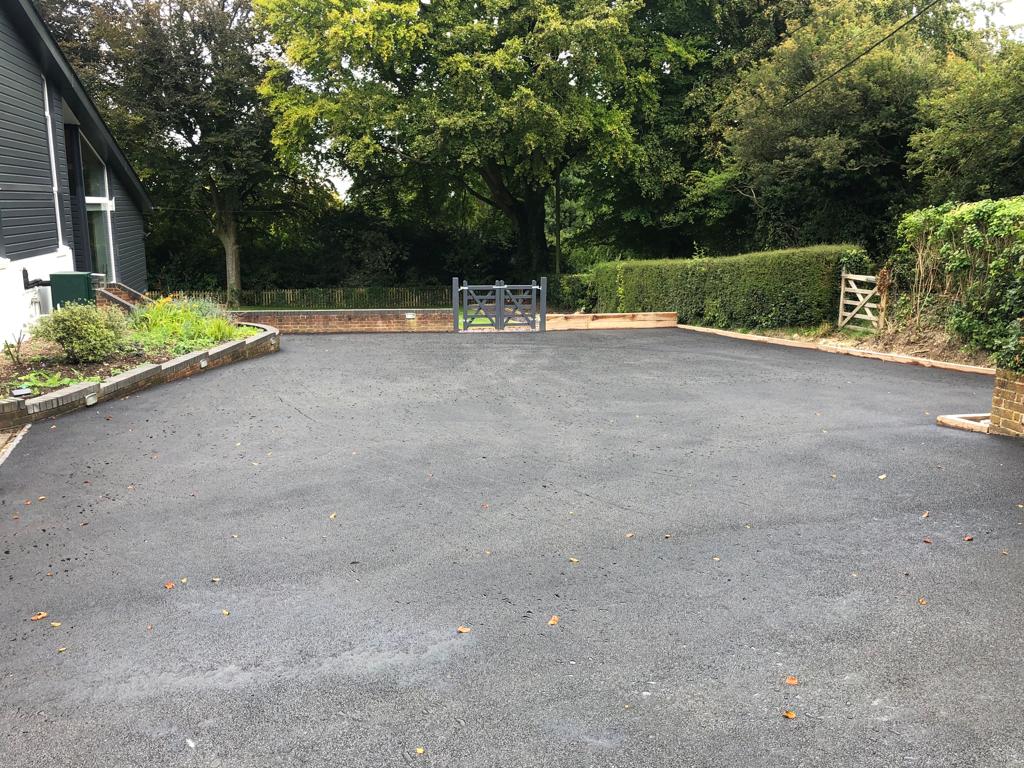
Spray & seal is a proven and widely used method for road and surface construction, particularly in regional settings. While it offers strong performance and reliable protection when applied correctly, the success of this method depends heavily on environmental conditions at the time of installation. Weather plays a critical role in how well the materials bond, cure, and perform over the long term.
For projects in Blayney, NSW, understanding the importance of weather conditions helps ensure that spray & seal surfaces deliver consistent and durable results.
How Spray & Seal Works
Spray & seal involves applying a hot bitumen binder to a prepared surface, followed by the placement of aggregate. The aggregate is embedded into the bitumen through rolling, creating a sealed, textured finish.
For this process to be effective, the bitumen must remain at the correct temperature and consistency long enough to properly coat and bind with the aggregate. Weather conditions directly influence this process.
Temperature and Material Performance
Temperature is one of the most important factors in spray & seal application. Bitumen needs to be applied within a specific temperature range to ensure it remains workable and achieves proper adhesion.
If temperatures are too low, the bitumen can cool too quickly, preventing it from bonding effectively with the aggregate. This can result in loose stones, reduced surface strength, and early deterioration.
In Blayney, NSW, where temperatures can fluctuate, careful planning is required to ensure conditions are suitable on the day of application.
The Impact of Moisture
Moisture is another critical factor that can affect spray & seal performance. Rain, surface dampness, or high humidity can interfere with the bonding process between the bitumen and aggregate.
If moisture is present, the bitumen may not adhere properly, leading to weak spots in the surface. Over time, this can result in aggregate loss and reduced durability.
Ensuring that the surface is dry and that no rain is expected during application is essential for achieving a reliable finish.
Wind and Application Accuracy
Wind conditions can also influence the quality of a spray & seal surface. Strong winds may affect the uniform application of the bitumen spray, leading to inconsistent coverage.
Uneven application can create areas that are either under-coated or over-coated, both of which can impact performance. Controlled conditions help ensure that the bitumen is applied evenly across the entire surface.
In Blayney, NSW, monitoring wind conditions is an important part of planning a successful project.
Proper Curing and Aggregate Retention
After application, the surface requires time to cure and stabilise. During this period, the bitumen continues to bind with the aggregate, creating a strong and cohesive surface.
Favourable weather conditions allow this curing process to occur without interruption. Poor conditions, such as sudden rain or temperature drops, can disrupt curing and affect how well the aggregate is retained.
A properly cured surface is far more resistant to wear and requires less maintenance over time.
Long-Term Performance Depends on Initial Conditions
The conditions during installation have a direct impact on the lifespan of a spray & seal surface. When applied under suitable weather conditions, the surface forms a strong bond that supports long-term durability.
If conditions are not ideal, issues such as aggregate loss, uneven wear, and reduced structural integrity can develop. These problems often lead to increased maintenance and shorter surface life.
For property owners and project managers in Blayney, NSW, ensuring the right conditions at the time of installation is a key factor in achieving a successful outcome.
The Role of Professional Planning
Experienced contractors carefully assess weather forecasts and site conditions before scheduling spray & seal work. This includes monitoring temperature ranges, checking for moisture, and selecting appropriate application windows.
Professional planning ensures that the process is carried out under conditions that support proper bonding and curing. This level of attention helps deliver a surface that performs reliably from the outset.
Conclusion
Spray & seal is an effective and durable surfacing method, but its success depends on precise application under the right weather conditions. Temperature, moisture, wind, and curing conditions all play a role in determining how well the surface performs over time.
For projects in Blayney, NSW, working with experienced professionals ensures that these factors are carefully managed to achieve the best possible result.
Blayney Road Tek provides expert spray & seal services with a strong focus on timing, preparation, and quality application. If you are planning a surfacing project, contact our team to discuss how we can deliver a durable and dependable solution tailored to your site conditions.
Call us on: 02 5301 9087
Click here to find out more about Blayney Road Tek
Click here to complete our contact form and see how we can help with your asphalt and bitumen surfacing needs.