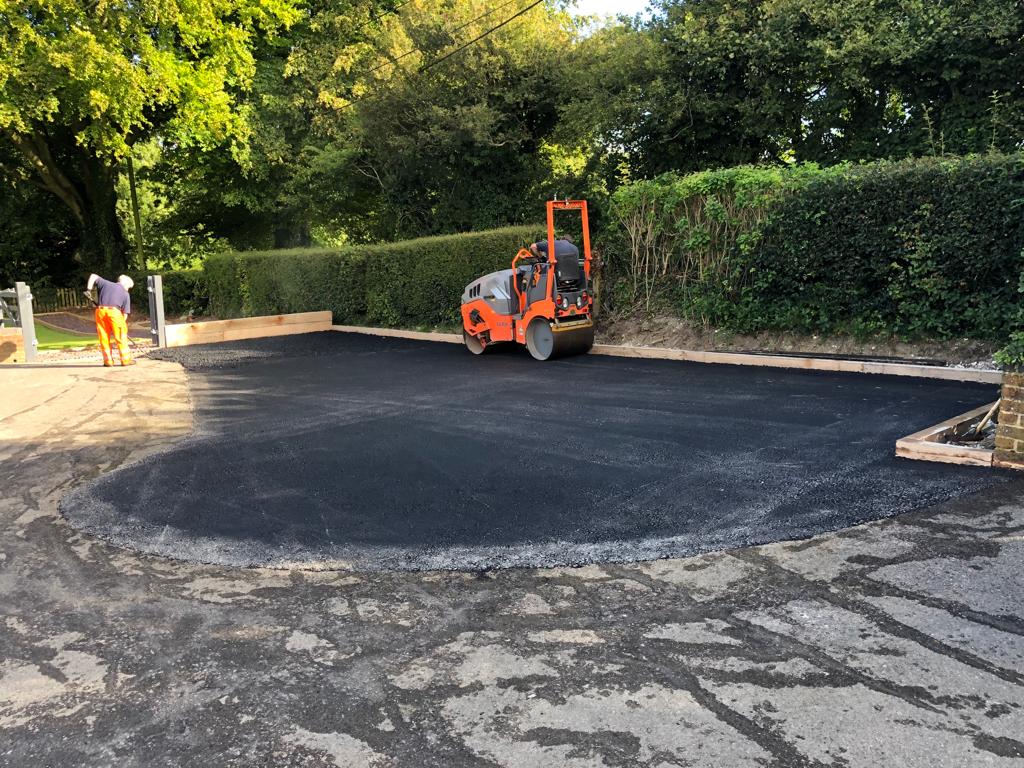
Choosing the right surface for a driveway, access road, car park or commercial property is an important decision. The finished pavement needs to provide reliable vehicle access, withstand regular use and remain suitable for the activities taking place on the property. Asphalt surfacing is a popular solution because it combines durability, flexibility and a smooth finish with the ability to accommodate a wide range of traffic requirements.
For property owners and businesses in Blayney, NSW, professionally installed asphalt can provide a practical improvement to existing access areas or form part of a completely new pavement construction. However, the benefits of asphalt depend on more than the material itself. Proper ground preparation, a stable road base, effective drainage and correct installation all contribute to the performance of the finished surface.
Understanding the main advantages of asphalt surfacing can help you determine whether it is the right choice for your property.
1. Asphalt Provides a Durable Surface for Everyday Use
One of the main benefits of asphalt surfacing is its ability to withstand regular vehicle movements when the pavement is designed and constructed correctly.
Asphalt is made from a mixture of aggregates and bituminous binder, creating a dense wearing surface that can accommodate repeated traffic.
This makes it suitable for residential driveways, private roads, commercial access areas and car parks.
Why Pavement Construction Matters
The durability of asphalt depends heavily on the supporting layers underneath.
A properly constructed road base helps distribute vehicle loads and provides the stability required to prevent excessive movement.
If the foundation is weak or poorly compacted, the asphalt may begin cracking, rutting or settling even when the wearing surface has been installed correctly.
Professional asphalt construction considers the condition of the existing ground, the expected traffic and the required pavement structure before the surface is laid.
This helps ensure the completed pavement is suitable for its intended use.
2. A Smooth Asphalt Surface Improves Vehicle Access
Uneven ground, loose gravel, potholes and deteriorated pavement can make vehicle access difficult.
These conditions are particularly noticeable on driveways and access roads where vehicles regularly travel along the same routes.
Asphalt provides a continuous, relatively smooth surface that supports more consistent vehicle movement.
Benefits for Driveways and Access Roads
A professionally constructed asphalt driveway can create a more dependable entrance to a property.
For access roads, a consistent surface can reduce the unevenness associated with loose or deteriorating materials.
Asphalt can also be shaped to accommodate vehicle entrances, turning areas and parking spaces.
The final surface profile should be designed around how the property is used rather than simply following the existing ground levels.
Correct grading and preparation help create a finished pavement that supports everyday access.
3. Asphalt Is Suitable for Different Property Types
Asphalt is a versatile surfacing material that can be used for a wide range of applications.
Its construction can be tailored to suit different traffic conditions, making it appropriate for both residential and commercial environments.
Common asphalt applications include:
- Residential driveways
- Private access roads
- Commercial car parks
- Industrial access areas
- Service roads
- Loading and manoeuvring areas
- Machinery access routes
- Hardstands designed for suitable vehicle loads
The pavement requirements will vary depending on the intended use.
A residential driveway carrying occasional passenger vehicles does not experience the same stresses as a commercial access road regularly used by heavier vehicles.
Professional assessment helps determine the appropriate pavement design for each application.
4. Asphalt Offers Flexibility Under Vehicle Loading
Asphalt is generally used as part of a flexible pavement system.
This means the pavement can accommodate limited deflection under traffic loads when the supporting layers provide adequate stability.
The asphalt wearing layer works together with the road base and underlying ground to distribute the stresses created by passing vehicles.
Why Flexibility Can Be Beneficial
Vehicle movements place repeated loads on the pavement.
A properly designed asphalt surface can accommodate these loads while maintaining a consistent trafficable area.
However, flexibility does not mean asphalt can withstand unlimited ground movement.
If the supporting pavement becomes unstable or experiences significant settlement, cracking and deformation may still develop.
The benefit comes from matching the complete pavement structure to the traffic it is expected to carry.
5. Asphalt Can Improve Surface Drainage
Effective drainage is essential for maintaining a dependable paved surface.
Where water collects in depressions or flows into damaged pavement, it can contribute to deterioration over time.
During asphalt construction, the surface can be graded to establish appropriate falls and encourage water to drain away from trafficable areas.
How Drainage Supports Pavement Performance
Although asphalt provides a relatively water-resistant wearing surface, moisture can still enter through cracks, damaged edges and other defects.
If water reaches vulnerable supporting materials, the pavement may lose stability.
This can contribute to settlement, cracking and pothole formation.
A professionally constructed asphalt surface should therefore be designed with drainage in mind.
The appropriate surface levels depend on the property’s layout, surrounding ground and existing drainage arrangements.
Correcting drainage problems during construction helps protect the supporting pavement and reduce avoidable deterioration.
6. Asphalt Creates a Consistent and Professional Finish
The condition of a driveway, road or car park can influence how a property looks and functions.
A surface containing numerous patches, potholes and uneven sections may appear neglected and make everyday vehicle movements less convenient.
Professional asphalt surfacing creates a more uniform appearance and a clearly defined trafficable area.
More Than an Appearance Improvement
A consistent asphalt surface can help establish practical access routes, parking areas and turning spaces.
This is particularly useful where an existing surface has become uneven or where loose materials are regularly displaced by traffic.
The improvement is not purely visual.
A properly prepared asphalt pavement provides a more predictable surface for vehicles travelling across the property.
7. Asphalt Can Reduce Problems Associated with Loose Gravel
Unsealed driveways and access roads can develop wheel ruts, corrugations and uneven sections as loose material moves under traffic.
Rainfall and surface runoff can also wash aggregate away from vulnerable areas.
Asphalt provides a bound wearing layer that helps prevent the displacement of loose surface material during normal use.
A More Stable Trafficable Surface
Once properly installed, asphalt creates a continuous pavement rather than relying on loose aggregate remaining in place.
This can help maintain more consistent vehicle access and reduce the need for repeated surface reshaping associated with some unsealed areas.
However, the ground underneath must still be properly prepared.
Installing asphalt over unstable material without correcting the underlying problem may result in cracking, rutting or settlement.
The supporting pavement is just as important as the finished surface.
8. Asphalt Can Be Repaired When Localised Damage Develops
All paved surfaces experience gradual wear, and asphalt is no exception.
Over time, cracks, potholes, edge deterioration and other defects may develop because of traffic loading, moisture penetration or changes in the supporting ground.
One practical advantage of asphalt is that localised damage can often be repaired without replacing the entire pavement.
Common Asphalt Repair Methods
Depending on the condition of the surface, repairs may involve:
- Crack treatment
- Pothole repairs
- Localised asphalt patching
- Repairs to damaged pavement edges
- Correction of isolated depressions
- Structural repairs to weakened sections
The correct repair method depends on the cause and extent of the deterioration.
Where the supporting pavement remains sound, localised repairs can help preserve surrounding asphalt.
If the damage extends into the road base, deeper corrective work may be required before the surface is reinstated.
9. Asphalt Resurfacing Can Renew an Existing Pavement
An asphalt surface may gradually become worn while its supporting structure remains in good condition.
When deterioration is widespread but primarily affects the wearing layer, asphalt resurfacing may provide a suitable improvement.
Resurfacing involves preparing the existing pavement and installing a new asphalt layer.
When Is Resurfacing Appropriate?
Asphalt resurfacing may be considered when:
- General surface wear has become extensive
- The existing pavement remains structurally stable
- Numerous minor defects require attention
- The wearing surface needs renewal
- Localised repairs can be completed before resurfacing
The condition of the underlying pavement must be assessed before work begins.
Significant settlement, unstable base materials and widespread structural cracking should not simply be covered with new asphalt.
Where deeper deterioration exists, pavement rehabilitation or reconstruction may be necessary.
10. Asphalt Can Support Commercial Vehicle Movements
Commercial properties often require surfaces capable of accommodating frequent vehicle access, deliveries and operational activities.
These movements can place considerable stress on a pavement, particularly where vehicles regularly turn, brake or remain stationary.
Asphalt can be incorporated into pavement structures designed for these conditions.
Designing for the Intended Traffic
A commercial asphalt project should consider:
- Expected vehicle weights
- Frequency of traffic
- Turning and reversing movements
- Loading and unloading areas
- Established wheel paths
- Stationary vehicle loads
- Drainage requirements
The supporting pavement must be constructed to accommodate the expected stresses.
A surface designed for light traffic may not provide adequate support for regular heavy vehicle movements.
Professional planning helps ensure the asphalt and its underlying structure are appropriate for the property’s operational requirements.
11. Asphalt Can Support Long-Term Maintenance
A major benefit of asphalt is that its condition can be monitored and maintained throughout its serviceable life.
Routine inspections can identify developing cracks, loose material, drainage problems and localised surface deterioration.
Addressing suitable defects early can help prevent damage from spreading into surrounding pavement.
Why Preventative Maintenance Matters
Small cracks can allow water to penetrate the asphalt and reach the supporting road base.
If the underlying materials become weakened, continued traffic may contribute to larger cracks, potholes and surface movement.
Timely repairs help reduce these risks and preserve areas that remain in good condition.
Maintenance should also include checking drainage and pavement edges, particularly in sections experiencing regular traffic.
A consistent maintenance approach supports the performance of the existing surface and helps identify when resurfacing or more substantial repairs may be required.
12. Asphalt Can Be Tailored to Different Traffic Requirements
Not every asphalt project requires the same pavement structure.
The appropriate construction depends on how the area will be used, the condition of the ground and the loads the surface must support.
This ability to design the pavement around its intended purpose is an important advantage.
Why Correct Design Helps Prevent Premature Damage
If the pavement is not suitable for the traffic it carries, deterioration may develop earlier than expected.
Warning signs can include:
- Rutting along wheel paths
- Cracking in heavily used areas
- Depressions beneath stationary loads
- Surface deformation around turning points
- Repeated potholes
- Damage along unsupported edges
Professional pavement preparation and construction help reduce these risks by providing suitable support beneath the asphalt.
The aim is to create a complete pavement system capable of performing under the expected conditions.
What Makes a Professionally Installed Asphalt Surface Perform Better?
The benefits of asphalt depend on the quality of the installation process.
A smooth finished surface is important, but long-term performance begins with the preparation completed underneath.
Ground Preparation
The existing ground must be assessed to determine whether it can adequately support the pavement.
Soft or unstable sections may require correction before construction continues.
Road Base Construction
The road base provides support and distributes traffic loads.
Suitable materials, appropriate construction depths and correct preparation are essential for pavement stability.
Compaction
Compaction helps create dense, stable pavement layers.
Inadequate compaction can contribute to settlement, rutting and surface cracking.
Drainage
The finished pavement should have suitable surface falls to encourage water to move away from trafficable areas.
Effective drainage helps protect the supporting materials from prolonged moisture exposure.
Asphalt Placement
The asphalt must be installed and compacted using appropriate methods and conditions.
Correct placement helps create a consistent wearing surface suited to the intended use.
Each stage contributes to the overall performance of the completed pavement.
Is Asphalt the Right Surface for Every Property?
Although asphalt offers many practical benefits, it is not automatically the most suitable treatment for every project.
The correct choice depends on the existing pavement, traffic requirements, ground conditions and intended use.
For some applications, spray & seal bitumen may provide an appropriate alternative.
Where an existing asphalt surface remains structurally sound, localised repairs or resurfacing may be suitable instead of complete reconstruction.
Professional assessment helps determine which treatment is appropriate for the property and whether the existing pavement can be preserved.
Why Choose Professional Asphalt Surfacing?
Professional asphalt installation involves more than laying a new wearing surface.
An experienced contractor can assess the ground, identify preparation requirements and recommend a suitable pavement structure.
This includes considering drainage, vehicle loading, compaction and the condition of any existing pavement.
Correct preparation and construction help reduce the likelihood of premature deterioration and support dependable long-term performance.
For property owners and businesses in Blayney, NSW, professional asphalt surfacing provides a practical approach to improving driveways, access roads, car parks and other trafficable areas.
Conclusion
Asphalt surfacing offers a range of practical benefits, including durability, flexibility, smooth vehicle access, versatile applications and the ability to repair or resurface suitable existing pavement. When properly constructed, it provides a consistent wearing surface designed to accommodate regular traffic and support everyday property use.
However, the performance of asphalt depends on more than the material itself. Stable ground, an appropriately constructed road base, correct compaction and effective drainage all contribute to the reliability of the finished pavement.
Blayney Road Tek provides professional asphalt surfacing, asphalt repairs and bitumen resurfacing services throughout Blayney, NSW. If you are planning a new driveway, access road, car park or hardstand, or your existing pavement requires improvement, contact our team to arrange an assessment and discuss a suitable surfacing solution for your property.
Call us on: 02 5301 9087
Click here to find out more about Blayney Road Tek
Click here to complete our contact form and see how we can help with your asphalt and bitumen surfacing needs.