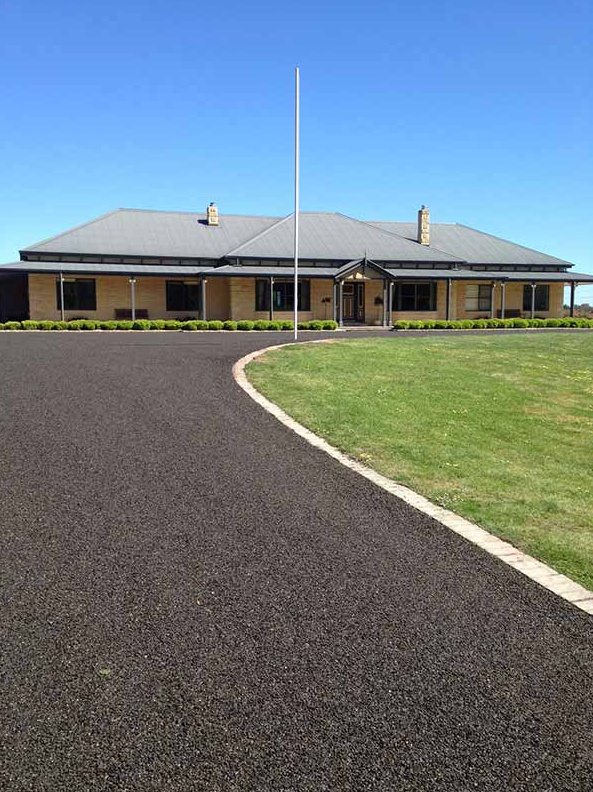
A car park can remain structurally serviceable long after its surface begins to look tired. Years of vehicle movements, turning tyres, weather exposure and general wear can lead to cracking, rough areas, minor depressions and isolated potholes. When these problems become increasingly noticeable, complete reconstruction is not always necessary.
If the existing pavement and underlying base remain sufficiently stable, asphalt resurfacing can provide an effective way to renew a worn car park. The process creates a new wearing surface while retaining suitable parts of the existing pavement structure. At Blayney Road Tek, we provide professional asphalt resurfacing throughout Blayney, NSW, assessing each surface carefully to determine whether resurfacing is appropriate for its condition and intended use.
What Is Asphalt Car Park Resurfacing?
Asphalt resurfacing generally involves preparing an existing pavement before installing a new layer of asphalt over the suitable surface.
The objective is not simply to hide deterioration. Existing defects need to be assessed and appropriate repairs completed before the new asphalt is laid.
Preparation may involve:
- Repairing potholes
- Treating damaged pavement sections
- Addressing significant cracks
- Correcting suitable surface irregularities
- Improving localised levels where required
- Preparing the existing asphalt for the new layer
When completed professionally, resurfacing creates a renewed wearing course supported by the serviceable pavement underneath.
How Do You Know If a Car Park Is Suitable for Resurfacing?
The appearance of the existing asphalt only tells part of the story.
A car park can look significantly worn while retaining a reasonably stable pavement structure. Conversely, an area that appears to have only moderate surface damage may contain deeper problems that need to be addressed before resurfacing.
A car park may be suitable for asphalt resurfacing when it has:
- General surface ageing
- Minor to moderate cracking
- Localised potholes that can be repaired
- A rough or weathered surface
- Minor irregularities
- Worn traffic areas
- A base that remains structurally suitable
A professional assessment is important because the condition beneath the surface ultimately determines whether resurfacing is likely to be appropriate.
Resurfacing Can Restore a More Consistent Driving Surface
Car parks experience a mixture of vehicle movements. Cars enter, turn, reverse, brake, accelerate and repeatedly travel through the same access routes.
As the pavement deteriorates, these movements can become less comfortable due to potholes, depressions and rough areas.
Resurfacing provides a renewed asphalt layer across the prepared pavement, creating a smoother and more consistent surface for vehicles.
This can make everyday movement through the car park more straightforward while improving the overall condition of the trafficable area.
Worn Asphalt Does Not Always Mean the Base Has Failed
Surface ageing and structural failure are not the same thing.
Asphalt naturally deteriorates as it is exposed to traffic and environmental conditions. The upper layer may become weathered or develop cracking while the supporting pavement underneath remains capable of performing effectively.
Where deterioration is largely confined to the upper pavement, resurfacing can make use of the existing structure rather than unnecessarily removing sound material.
The important step is determining how deep the deterioration extends.
Potholes Need to Be Repaired Before Resurfacing
A new asphalt layer should not simply be placed over existing potholes.
Potholes often contain loose, broken or unstable material. Covering them without appropriate preparation leaves weakness underneath the renewed surface.
Damaged sections should instead be assessed and repaired so they provide suitable support for the resurfacing layer.
Recurring potholes may also require further investigation. If they continue appearing in the same location, problems with drainage or the underlying base could be contributing to the failure.
Existing Cracks Need Careful Assessment
Cracking is common in ageing asphalt car parks, but different cracks can indicate different pavement conditions.
Minor surface cracking may be manageable as part of the preparation process. Extensive interconnected cracking, repeated movement or cracks associated with settlement can suggest deeper deterioration.
Simply covering significant cracks does not necessarily stop movement underneath.
Professional assessment helps determine which defects can be appropriately prepared for resurfacing and which sections require more substantial repairs first.
Drainage Is Particularly Important in Car Parks
A renewed asphalt surface should do more than look smooth. It also needs to manage rainfall effectively.
Car parks cover relatively large paved areas, making correct surface levels important for directing water away from trafficable sections.
Depressions and settlement can create locations where water regularly pools. If these issues are ignored during resurfacing, standing water may continue affecting the new pavement.
Before work begins, consideration should therefore be given to:
- Existing falls and levels
- Areas of standing water
- Sunken sections
- Drainage paths
- Signs of moisture-related deterioration
Correcting suitable surface irregularities during preparation can contribute to better drainage across the renewed pavement.
High-Traffic Areas May Need Additional Attention
Wear is rarely distributed evenly across an entire car park.
Entrances, exits, turning areas and frequently travelled routes often experience greater stress because vehicles repeatedly use the same sections. These locations may show deterioration earlier than individual parking spaces or lower-traffic areas.
Preparation should take these differences into account.
Any weakened high-use sections should be appropriately repaired before resurfacing so the new asphalt is supported by a pavement capable of handling ongoing traffic.
Resurfacing Can Improve the Appearance of a Worn Car Park
A deteriorated car park can affect the presentation of an otherwise well-maintained property.
Multiple patches, faded asphalt, cracking and potholes can make the area appear neglected even when it remains usable.
Resurfacing creates a more uniform asphalt surface, substantially improving the overall presentation while also restoring the pavement’s wearing layer.
Appearance should not be the only reason for resurfacing, but it is a useful additional benefit when the pavement genuinely requires renewal.
A Renewed Surface Can Make Ongoing Maintenance Easier
Resurfacing can also provide an opportunity to move away from repeatedly repairing numerous isolated defects.
When an ageing car park develops cracks and potholes across multiple sections, individual repairs can leave a patchwork of old and new surfaces. If the underlying pavement remains suitable, broader resurfacing may provide a more consistent approach.
The renewed surface should still be monitored and maintained. Small defects that appear in the future are best addressed before they have an opportunity to spread.
When Is Resurfacing Not the Right Solution?
There are circumstances where a new asphalt layer will not adequately address the condition of the existing car park.
More substantial repairs or reconstruction may be required where there is:
- Widespread base failure
- Severe pavement movement
- Extensive interconnected cracking
- Significant rutting
- Large sunken areas
- Repeated failure of previous repairs
- Serious drainage-related deterioration
Installing new asphalt over an unstable foundation can allow existing movement to affect the renewed surface.
The correct solution should therefore be based on pavement condition rather than simply choosing resurfacing because the existing asphalt looks worn.
Why Professional Preparation Matters
Successful asphalt resurfacing depends heavily on preparation.
Before the new layer is installed, the existing car park needs to provide an appropriate foundation. Damaged sections should be repaired, loose material removed and relevant surface or drainage problems addressed.
Professional installation also requires careful attention to asphalt placement and compaction.
At Blayney Road Tek, our approach is to assess the existing pavement before determining the appropriate work. This helps ensure resurfacing is recommended where it provides a practical solution rather than simply covering problems that require deeper repairs.
Asphalt Car Park Resurfacing in Blayney, NSW
A worn car park does not necessarily need to reach the point of severe failure before action is taken. Assessing the pavement while the underlying structure remains serviceable can provide more options for restoring the surface.
Blayney Road Tek provides professional asphalt resurfacing and pavement repairs throughout Blayney, NSW. We assess surface condition, existing damage, drainage and pavement stability to determine the work required before a renewed asphalt layer is installed.
Conclusion
A worn car park can often be renewed with asphalt resurfacing when the existing pavement remains structurally suitable. Resurfacing can restore a smoother, more consistent surface, improve the presentation of the area and provide a renewed wearing layer for regular vehicle movements.
The key is proper assessment and preparation. Potholes, significant cracking, unstable areas and drainage problems should be addressed rather than simply covered with new asphalt.
If your car park in Blayney, NSW is becoming cracked, rough or generally worn, contact Blayney Road Tek to arrange an assessment and discuss whether asphalt repairs or professional resurfacing would be appropriate for the existing pavement.
Call us on: 02 5301 9087
Click here to find out more about Blayney Road Tek
Click here to complete our contact form and see how we can help with your asphalt and bitumen surfacing needs.