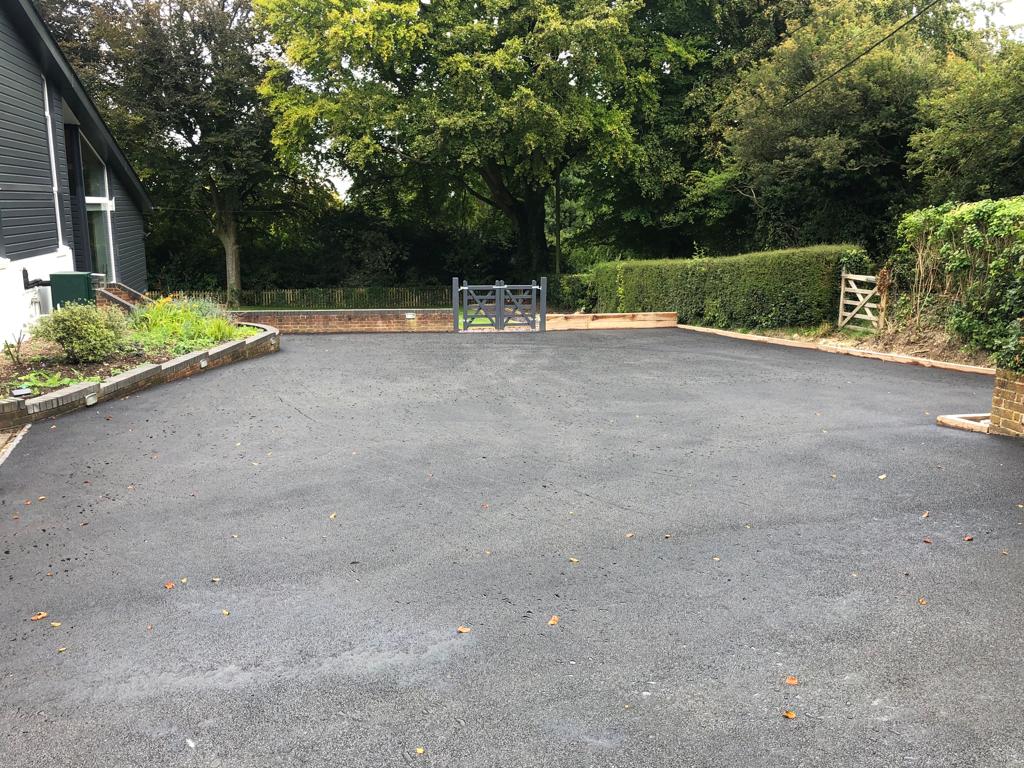
A long-lasting asphalt surface is not created simply by placing asphalt over the ground and compacting it. Much of its future performance is determined before the asphalt itself arrives on site. Ground preparation, pavement design, drainage, material selection, laying conditions and compaction all influence how effectively the finished surface withstands traffic and environmental exposure.
For property owners and businesses in Blayney, NSW, understanding what goes into professional asphalt construction can help explain why some surfaces remain stable and serviceable while others begin developing cracks, depressions, potholes or uneven areas much earlier. Quality workmanship focuses on the complete pavement structure, not just the visible surface.
A Long-Lasting Asphalt Surface Starts Below the Asphalt
The finished asphalt is only the upper part of a pavement. Beneath it are prepared layers responsible for supporting traffic and distributing loads into the ground.
If these underlying layers are weak or poorly prepared, the asphalt above can eventually move or deform regardless of how well the surface initially appears.
Professional asphalt construction therefore begins by considering:
- Existing ground conditions
- Intended vehicle movements
- Pavement loading
- Required base construction
- Drainage
- Surface levels
- Site access and usage
Getting these fundamentals right provides the asphalt with the stable foundation it needs.
Thorough Site Assessment Comes First
Different sites can have very different pavement requirements. A residential driveway does not necessarily experience the same loads as a commercial access area or hardstand.
Before construction begins, experienced asphalt contractors assess how the finished pavement will actually be used.
This helps determine the appropriate preparation, pavement structure and asphalt application rather than applying the same construction method to every project.
Existing ground conditions also need attention. Soft, unstable or unsuitable areas should be identified before they become hidden beneath the finished pavement.
Ground Preparation Is Critical
The condition of the subgrade has a major influence on pavement stability.
Areas containing unsuitable or unstable material may need to be corrected before the base is constructed. The objective is to create a consistent foundation that can support the pavement above without excessive movement.
Poor preparation can contribute to:
- Settlement
- Surface depressions
- Cracking
- Rutting
- Uneven pavement
- Premature failure
Once asphalt has been installed, correcting significant problems underneath becomes considerably more involved. Proper preparation from the outset is therefore one of the most important aspects of professional construction.
A Strong Base Distributes Vehicle Loads
The pavement base provides much of the structural support beneath the asphalt.
When a vehicle travels across the surface, its weight needs to be distributed through the pavement rather than concentrated in one weak area. A correctly constructed and compacted base helps achieve this.
Base requirements depend on the expected traffic. Areas regularly carrying heavier vehicles may require a different pavement design from areas primarily used by passenger cars.
Professional contractors consider these demands before asphalt is laid so the complete pavement is appropriate for its intended use.
Correct Compaction Creates Stability
Compaction is essential throughout pavement construction.
Base materials need to be compacted so they form a dense and stable foundation. The asphalt itself must also receive appropriate compaction after placement.
Insufficient compaction can leave excessive voids and create opportunities for movement, moisture penetration and deformation. A properly compacted pavement is better equipped to maintain its shape under repeated traffic.
This is one reason professional equipment and experienced operators are so important during asphalt installation.
Drainage Protects the Pavement Structure
Water is one of the major factors affecting pavement performance.
If rainfall remains on the surface or finds its way into the pavement, the supporting layers can become vulnerable to deterioration. Water can enter through cracks, poorly constructed edges or other weak points.
Professional pavement design considers how water will move across and away from the asphalt.
Correct falls and grading help minimise:
- Standing water
- Water infiltration
- Edge erosion
- Saturation of supporting materials
- Moisture-related pavement deterioration
Good drainage is therefore part of the pavement structure rather than an optional finishing detail.
Asphalt Thickness Should Match the Application
Not every asphalt pavement should be constructed to exactly the same specification.
The appropriate asphalt layer depends on factors such as traffic volume, vehicle type, underlying pavement strength and intended use.
Installing a pavement without considering these demands can result in a surface that struggles under the loads placed upon it.
Professional asphalt contractors design the pavement around real operating conditions, helping the surface perform reliably rather than simply looking satisfactory when first completed.
Material Quality Matters
Professional asphalt surfacing also depends on using suitable materials for the application.
The asphalt mixture must provide the characteristics required for the pavement and work effectively with the prepared base underneath. Consistency in the material contributes to uniform compaction and surface performance.
Quality construction therefore combines suitable asphalt materials with correct preparation and installation. One element cannot fully compensate for deficiencies in another.
Correct Laying Techniques Produce a Consistent Surface
Asphalt needs to be placed evenly and managed correctly during installation.
Experienced operators pay attention to levels, thickness, joints, edges and transitions between different areas. The aim is to produce a consistent pavement without unnecessary weak points.
Poorly constructed joints or irregular sections can become locations where moisture enters or deterioration begins.
Attention to detail during laying helps create a continuous, dependable surface.
Strong Edges Help Prevent Premature Breakdown
Pavement edges are sometimes overlooked, yet they can be particularly vulnerable.
Unlike the centre of an asphalt area, an edge may have less surrounding support. Regular vehicles travelling close to an inadequately supported boundary can cause cracking and gradual break-up.
Professional construction considers how pavement edges will be supported and finished.
Protecting these areas helps prevent deterioration from beginning at the perimeter and progressing towards the main trafficable surface.
The Surface Must Be Designed for Its Traffic
How vehicles use the pavement is just as important as how many vehicles use it.
Certain areas experience concentrated loading because vehicles repeatedly:
- Follow the same wheel paths
- Brake in the same locations
- Turn tightly
- Park for extended periods
- Manoeuvre heavy loads
Recognising these traffic patterns allows the pavement to be designed and constructed with its actual operating conditions in mind.
This is particularly important for commercial access areas and other surfaces experiencing frequent vehicle movements.
Professional Installation Helps Prevent Water Entry
As asphalt ages, cracks can eventually develop, but quality construction helps delay conditions that encourage premature cracking.
Consistent compaction, stable supporting layers, effective drainage and carefully constructed joints all contribute to keeping the pavement intact.
Maintaining surface integrity is important because once cracks open, water can begin reaching the layers underneath. Preventing premature defects therefore protects more than the visible asphalt.
Maintenance Still Matters After Professional Installation
Even a professionally laid asphalt surface benefits from ongoing attention.
Routine inspections can identify minor deterioration before it progresses. Property owners should watch for changes such as:
- Developing cracks
- Localised depressions
- Loose material
- Edge deterioration
- Water pooling
- Small potholes
Prompt maintenance can help preserve the sound pavement surrounding these areas.
Professional installation provides the foundation for long-term performance, while sensible maintenance helps protect that initial quality.
Why Experience Makes a Difference
Successful asphalt installation involves numerous decisions that may not be obvious once the pavement is finished.
Experienced contractors understand how ground preparation, moisture, base construction, compaction, drainage, asphalt placement and traffic demands interact.
They can also recognise potential problems during construction and address them before they become concealed beneath the finished surface.
For asphalt projects in Blayney, this expertise helps ensure that attention is given to the entire pavement rather than concentrating solely on its final appearance.
Quality Asphalt Is a Complete Pavement System
One of the most important points to understand is that durable asphalt is not simply a layer of black surfacing material.
A successful pavement is a system consisting of:
- Suitable underlying ground
- Correctly prepared base materials
- Effective compaction
- Appropriate drainage
- Properly selected asphalt
- Skilled installation
- Suitable edge construction
- Ongoing maintenance
When these elements work together, the pavement has a much stronger basis for dependable long-term performance.
Conclusion
What makes a professionally laid asphalt surface last longer is the quality of the entire construction process. Careful site assessment, strong foundations, correct compaction, effective drainage, appropriate pavement design and skilled asphalt placement all contribute to durability. The visible surface may be the final stage of the project, but its performance depends heavily on everything constructed underneath it.
Blayney Road Tek provides professional asphalt and bitumen surfacing services throughout Blayney, NSW. If you are planning a new driveway, road, access area, hardstand or asphalt resurfacing project, our team can assess the site and recommend an appropriate solution focused on sound preparation, quality workmanship and reliable long-term pavement performance.
Call us on: 02 5301 9087
Click here to find out more about Blayney Road Tek
Click here to complete our contact form and see how we can help with your asphalt and bitumen surfacing needs.